


A great film is not created only on the shooting floor. Behind every powerful story, emotional scene, and seamless sequence is a skilled film editor who transforms raw footage into a compelling cinematic experience. Film editing is one of the most important stages of filmmaking, combining technical expertise with creativity and storytelling.
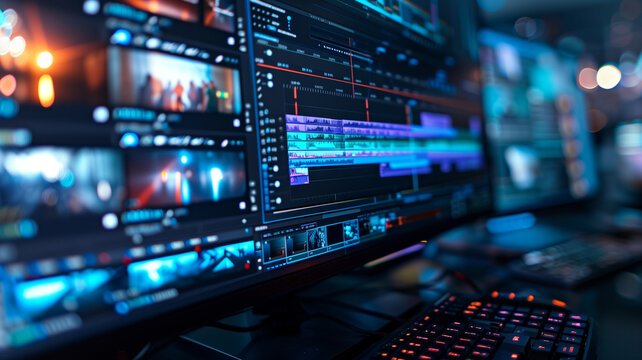
What Does a Film Editor Do?
A film editor is responsible for selecting, arranging, and refining footage to create the final version of a film. Editors work closely with directors and other members of the production team to ensure that every scene supports the story.
Their work includes cutting unnecessary footage, arranging scenes, improving pacing, and creating smooth transitions. A professional film editor also considers dialogue, sound, music, visual continuity, and audience emotions while shaping the final film.
Why Is Film Editing Important?
Film editing can completely change the way audiences experience a story. Even excellent performances and beautiful cinematography may not work effectively without the right editing.
A skilled editor controls the pace and rhythm of a film, deciding when to build tension, create excitement, allow an emotional moment to breathe, or move the story forward. Good editing makes scenes feel natural and keeps viewers engaged from beginning to end.
Skills Every Film Editor Needs
Successful film editors require both technical and creative skills. They should understand storytelling, visual composition, continuity, timing, and sound.
Knowledge of professional editing software such as Adobe Premiere Pro, DaVinci Resolve, or Avid Media Composer is also valuable. However, software alone does not make a great editor. Creativity, patience, attention to detail, and the ability to understand a director’s vision are equally important.
The Film Editing Process
he editing process usually begins after filming, when the editor organizes and reviews the recorded footage. The editor then creates an initial cut, often called a rough cut.
After reviewing the sequence with the director, several rounds of revisions may follow. Scenes are refined, pacing is adjusted, sound and music are incorporated, and visual effects or color corrections may be added. The final goal is to create a polished film that communicates the story effectively.
Film Editor vs. Video Editor
Although the terms are sometimes used interchangeably, a film editor generally works on narrative productions such as feature films, short films, and documentaries. A video editor may work on a broader range of content, including advertisements, social media videos, corporate films, and online content.
Both roles require strong editing skills, but film editing often involves a deeper focus on storytelling, character development, dramatic structure, and cinematic pacing.
The Future of Film Editing
Technology continues to transform the film industry. Modern editing tools, cloud-based workflows, artificial intelligence, and advanced visual effects are making post-production more efficient. Despite these developments, human creativity remains essential.
A talented film editor does more than cut footage—they shape stories, build emotions, and help bring a director’s vision to life. For anyone passionate about cinema, film editing offers an exciting career that combines technology, creativity, and storytelling.
To learn film editing visit naafe